

Agricultural Insurance (TARSİM)
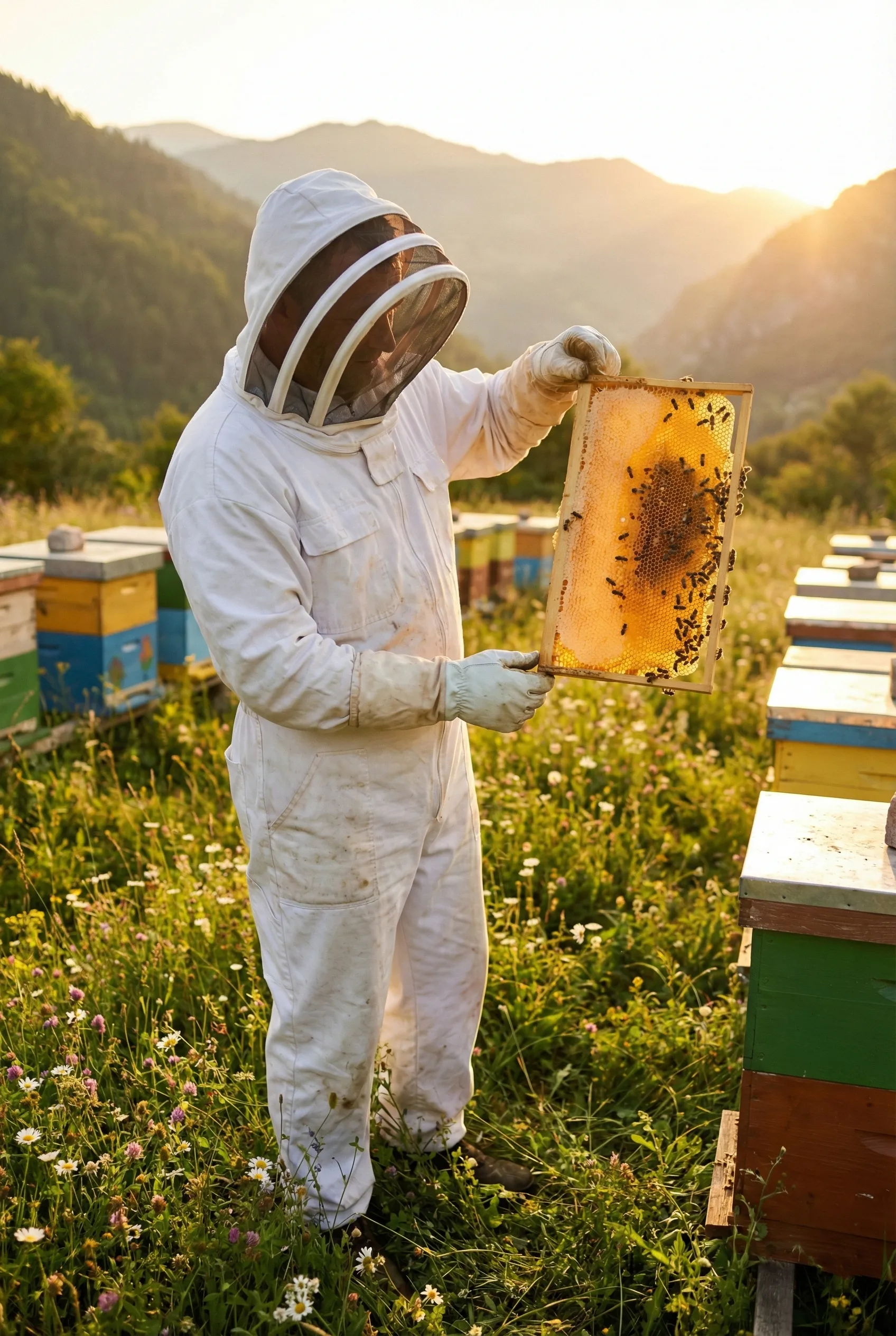
Beekeeping Insurance
What is Beekeeping Insurance? Beekeeping is the most harmonious production model with nature, but also the most exposed to nature’s risks. Especially migratory beekeepers spend
Daha önce doldurmaya başladığınız bir başvuru bulduk.
Aşağıdan bir kategori seçin veya arayın — 30+ sigorta şirketinden teklifleri sizin için karşılaştıralım.
Aramanızla eşleşen ürün bulunamadı — dilerseniz 444 58 06'yı arayın.
Uzman danışmanlarımız size en uygun ürünü bulmanıza yardımcı olsun.
Size en uygun ve kapsamlı paketleri hazırlamamız için bir alt tür seçin.
Başvurunuzu tamamlamak ve sizinle iletişime geçebilmemiz için gerekli temel bilgileri paylaşmanızı rica ederiz.
Lütfen güncel bilgileri eksiksiz doldurunuz.
Bilgileri tamamladıkça teklif hazırlığınız artar.
Bu bilgiler poliçe priminizi doğrudan etkiler.
Lütfen girmiş olduğunuz bilgileri kontrol edin. Onayladıktan sonra size en uygun teklifi hazırlayacağız.
Gönder'e basmadan önce KVKK Aydınlatma Metni'ni inceleyebilirsiniz. KVKK onayı 3. adımda alınmıştır.
Teşekkür ederiz. Uzmanımız 30 dakika içinde sizi arayarak talebinizi değerlendirecektir.
call 444 58 06Talebiniz uçtan uca şifreli altyapımızla korunur.
Acil durumlarda her an bize ulaşabilirsiniz.
Gelişmeleri SMS ve e-posta ile takip edin.
Panacea Sigorta ve Reasürans Brokerliği A.Ş. · 6698 sayılı KVKK
6698 sayılı Kişisel Verilerin Korunması Kanunu (“Kanun”) gereğince, kişinin özgeçmişi içerisinde yer alan adı/soyadı, adresi, doğum yeri ve tarihi, telefon numarası, elektronik posta adresi, öğrenim durumu, eğitim bilgileri, sağlık verileri, iş deneyimleri, din, ırk bilgileri, referansları ile ilgili kişiyi tanıtan her türlü bilgi ve belge, kişisel veri kapsamındadır.
Yukarıda bahsi geçen kişisel verileriniz; “Veri İşleyen” olarak “Panacea Sigorta ve Reasürans Brokerliği A.Ş.” (“PANACEA”) tarafından aşağıda açıklanan kapsamda işlenebilecektir.
Kişisel verileriniz; sigortacılık mevzuatı başta olmak üzere, kanunlar ve sair mevzuat kapsamında sigorta teklifleri ve bireysel emeklilik sözleşmeleri, poliçe ve sözleşme gereğinin ifa edilebilmesi, risk değerlendirmesi yapılabilmesi, sigorta satış ve pazarlama faaliyetleri, hasar ödeme ve asistans faaliyetleri başta olmak üzere sigorta şirketleri ve diğer iş ortaklarımız aracılığıyla sigorta sözleşmeleri kapsamında sizlere verilecek hizmetlerin yerine getirilmesi süreçlerinde sigorta primlerinin belirlenebilmesi, tahsilat yapılabilmesi, sigortacılık ve bireysel emeklilik ürün ve hizmetlerinin, avantaj veya kampanyaların sunulabilmesi, bilgilendirme, tanıtım, pazarlama ve satış da dahil olmak üzere her türlü iletişimin sağlanması ve bu amaçlarla ticari elektronik ileti gönderilebilmesi, mevzuatta belirtilen yükümlülüklerin ifa edilebilmesi, işlem yapanın/yaptıranın kimliğinin tespit edilebilmesi, elektronik ortamda veya basılı olarak kayıt ve belge düzenlenebilmesi, mevzuatta öngörülen evrak saklama, raporlama ve bilgilendirme yükümlülüklerinin yerine getirilebilmesi ve istatistiksel amaçlarla işlenecektir.
Kişisel verileriniz, otomatik ya da otomatik olmayan yöntemlerle, PANACEA’ya ait internet sitesi, sosyal medya mecraları, mobil uygulamalar ve benzeri vasıtalarla sözlü, yazılı ya da elektronik olarak toplanmaktadır. Eğitim, seminer, kurs, konferans vb. hizmetlerden yararlandığınız müddetçe, düzenlenen organizasyonlara katıldığınızda, web sitesini veya sosyal medya hesaplarını ziyaret ettiğinizde, SMS gönderilerinde toplanabilecek ve güncellenebilecektir.
Kişisel verileriniz, iş başvuru talebinizin ve ilgili pozisyona uygunluğunuzun değerlendirilmesi, PANACEA’nın insan kaynakları politikaları çerçevesinde işe alım süreçlerinin yürütülmesi, sonuçlandırılması, sonucun olumsuz olması durumlarında sonradan oluşacak benzer pozisyonlarda başvurunuzun değerlendirmeye alınması, bu kapsamda sizinle iletişime geçilmesi ve PANACEA’nın uyguladığı işe alım ilkelerinin geliştirilmesi ve iyileştirilmesi amaçları dâhilinde işlenecektir.
Toplanan kişisel verileriniz; yukarıda belirtilen sebepler, amaçlar ve Kanun’da yer alan düzenlemeler çerçevesinde; PANACEA tarafından dâhili olarak kullanılacağı gibi sigortacılık ve sair mevzuat çerçevesinde; Sigortacılık ve Özel Emeklilik Düzenleme ve Denetleme Kurulu, Sigorta Bilgi ve Gözetim Merkezi ve Sigorta ve Reasürans Brokerleri Derneği başta olmak üzere, zorunlu raporlamaların hazırlanabilmesi amacıyla çeşitli kurum ve kuruluşlara; reasürörlere, sigorta ve bireysel emeklilik şirketleri ve aracılarına, poliçe ve sözleşme taraflarına, doğrudan ve dolaylı yurtiçi ve yurtdışı topluluk şirketleri ve iştiraklerine, mevzuatta belirtilen amaçlara konu faaliyetlerini yürütmek üzere hizmet alınan, işbirliği yapılan kişi ve kuruluşlar ile destek hizmeti sağlayıcılarına mevzuatın izin verdiği ölçüde sigortacılık faaliyetinin yürütülebilmesi için hizmet alınan bilişim teknolojileri, aktüerya, ekspertiz şirketleri gibi özel kuruluşlara; sigortacılık hizmetlerimiz çerçevesinde fiyatlama, satış ve pazarlama işlemleri ile istatistiksel analizler yapmak üzere sigorta şirketlerine, şubelerimize ve/veya diğer iştiraklerimize, Sosyal Güvenlik Kurumu ve kanunen yetkili diğer kamu kurumları, faaliyetlerimizi yürütebilmek amacıyla işbirliği yaptığımız kurum ve kuruluşlarla, verilerin saklanması için hizmetlerinden faydalandığımız, fiziksel server ve/veya bulut hizmeti aldığımız yurt içi/yurt dışı kişi ve kurumlarla, ticari elektronik iletilerin gönderilmesi konusunda hizmet aldığımız yurt içi/yurt dışı firmalarla, anlaşmalı olduğumuz bankalarla, uluslararası sertifikasyon sahibi ödeme kuruluşlarıyla, yurtiçi/yurtdışı çeşitli reklam şirketleri, ajanslar ve anket şirketleriyle diğer iş ortaklarımızla, kanunen yetkili kamu kurumları ve özel kişilere yurtiçi ve yurtdışında KVKK’nın 8. ve 9. maddelerinde belirtilen kişisel veri işleme şartları ve amaçları çerçevesinde aktarılabilecektir.
Kişisel verileriniz, Kanunun 5. ve 6. maddelerinde belirtilen hukuki sebeplere dayanarak; PANACEA Şubeleri, Çağrı Merkezi, İnternet Şubesi, dijital kanallar, poliçe ve sözleşme tarafları, aracılar ile bunların hizmet verdiği tüm kanallar, yurt içi/yurt dışı iştirakler, işbirliği yapılan kurum ve kuruluşlar, sigorta ve bireysel emeklilik şirketleri, resmi kurumlar, yurt içi/yurt dışı bankalar ve diğer üçüncü kişiler aracılığıyla; sözlü, yazılı veya elektronik ortamda; tamamen veya kısmen otomatik olan ya da herhangi bir veri kayıt sisteminin parçası olarak otomatik olmayan yollarla toplanabilecektir.
Sigorta poliçeleri ve emeklilik sözleşmelerinin taraflarına ait kişisel/özel nitelikli kişisel veriler; merkez ve şubelerimiz, internet uygulamalarımız ve çağrı merkezimiz aracılığı ile doğrudan doğruya sizlerden ve sigorta sözleşmelerinden kaynaklanan yükümlülüklerin yerine getirilebilmesi için kamu kurumları tarafından tarafımıza erişim yetkisi verilen veri tabanlarından derlenmektedir.
Kişisel verileriniz, PANACEA’nın insan kaynakları politikaları çerçevesinde işe alım süreçlerinin yürütülmesi, sonuçlandırılması ve bu kapsamda sizinle iletişime geçilmesi amaçlarıyla edinilmekte ve bu hukuki sebeple toplanan kişisel verileriniz otomatik ya da otomatik olmayan yöntemlerle, sözlü, yazılı ve elektronik ortam da dahil olmak üzere çeşitli toplama yöntemleri vasıtasıyla toplanmaktadır.
Kişisel Verileriniz, “6698 sayılı Kişisel Verilerin Korunması Kanunu” ve sair mevzuat çerçevesinde sadece sigortacılık faaliyetlerinin yürütülmesi amacı ile ve bu amacın gerektirdiği yasal sürelerle sınırlı olarak işlenmektedir.
Kanun’un 11. maddesi uyarınca, kişisel veri sahibi olarak, yazılı veya Kişisel Verileri Koruma Kurulu’nun belirlediği diğer yöntemlerle PANACEA’ya başvurarak;
haklarına sahip olduğunuzu belirtmek isteriz.
Yukarıda belirtilen (Kanun’un 11. Maddesi) haklarınıza ilişkin kullanmak istediğiniz hakkınıza yönelik açıklamalarınızı içeren talebinizi PANACEA’nın www.panaceasigorta.com alan adlı internet sitesinde yer alan “Başvuru Formu”nu tam ve eksiksiz bir şekilde doldurarak, kimlik fotokopiniz ve diğer iletişim bilgilerinizi de eklemek suretiyle ıslak imzalı olarak Panacea Sigorta ve Reasürans Brokerliği A.Ş.’nin Yeni Batı Mah. 2382 Sok. No:36/3 Yenimahalle/ANKARA adresine bizzat elden iletebilir, noter kanalıyla veya iadeli taahhütlü mektup yoluyla gönderebilirsiniz.
Başvurunuzda yer alan talepleriniz, talebin niteliğine göre en kısa sürede ve en geç 30 (otuz) gün içinde PANACEA tarafından ücretsiz olarak sonuçlandırılacaktır. Ancak, işlemin PANACEA için ayrıca bir maliyet gerektirmesi hâlinde, Kişisel Verileri Koruma Kurulu tarafından belirlenen tarifedeki ücret alınacaktır.
Panacea ile aracınız her yolculukta güvende! Hemen teklif alın.
Panacea güvencesiyle eviniz ve eşyalarınız koruma altında!
İnsana dokunan branşlar. Sizin ve ailenizin sağlığı bizim için önemli.
Güçlü seyahat varyasyonları ile yurt içi ve yurt dışında yanınızdayız.
İşletmenizi üçüncü şahıs kaynaklı mali risklere karşı koruyun.
Uzman ekibimizle risk analizinizi yapıp en uygun çözümü belirleyelim.
Get QuoteMesleki faaliyetlerinizde oluşabilecek hatalara karşı güvence sağlayın.
Sektörünüze uygun teminatlarla mesleki risklerinizi güvence altına alın.
Get QuoteKOBİ'ler ve büyük işletmeler için paket poliçeler ve finansal korumalar.
Teknik risklerin olduğu alan. Hedef kitlesi mühendisler ve proje yöneticileri.
Panacea ile kara, deniz ve havada yükleriniz güvende!
TARSİM kapsamındaki ürünler. Çiftçilerin siteye girdiğinde kolayca bulması için.
Village-Based Yield Insurance (Drought Insurance) is the highest-supported insurance plan, with exactly 70% of the premium paid by the State. It covers yield losses caused by climatic factors such as insufficient rainfall, extreme heat, or excessive humidity.
Protect your crops against drought, from wheat and chickpeas to sunflower as of 2026.
With Panacea Insurance, let your face smile even if the rain doesn’t fall.
Get your Village-Based Yield Insurance quote now and secure your yield.
This information is necessary for us to prepare a customized offer for you.
Climate change is no longer just a theory; it is a harsh reality in the field. Rainfall not occurring on time, sudden heatwaves in spring, or conversely, excessive humidity… All these factors lead to decreased yields, weak grains, or total crop failure, especially in dryland (non-irrigated) farming areas. Village-Based Yield Insurance (formerly known as District-Based Drought Yield Insurance) is an insurance system that compensates for yield losses caused by these climatic risks beyond the farmer’s control, based on the averages across the entire village.
At Panacea Insurance, we describe this product as the “Farmer’s Friend for Rainy (or Dry) Days.” While a hail strike might spare part of a field, drought affects the entire region. This insurance is the strongest shield developed against such total risk.
Recognizing the severity of drought risk, the Ministry of Agriculture and Forestry took a historic step for 2025. The state premium support rate, previously 60%, was increased to 70%. This means: if we assume the policy premium is 100 TL, the state pays 70 TL, and our farmer pays only 30 TL. This is the highest grant rate in the TARSİM system.
This insurance is only valid for Dryland Farming areas (irrigated areas are not covered). The strategic products included are:
Village-Based Yield Insurance covers the following climatic risks that reduce yield and fall outside the standard hail package (hail, storm, fire, etc.):
The logic of this insurance differs from others. Damage assessment is not performed specifically for your individual field; the village-wide average is considered. Here is the step-by-step process:
Important Note: Even if the yield in your specific field is high, you can receive compensation if the village average is low. Conversely, if the village average is high but your field yield is low, you cannot receive compensation. This system is based on “General Disaster” logic.
Village-Based Yield Insurance pays for drought but not for hail. To protect your crop against hail, fire, and storms, you must also take out Crop Insurance (Hail Package). Taking out both policies simultaneously ensures full protection and earns you additional premium discounts.
Examples for a clear understanding of coverage:
| Situation | Payment Status (Based on Village Average) |
|---|---|
| No Rain, Ears Remained Empty | ✅ Paid (Drought) |
| Hot Wind Dried the Sunflower | ✅ Paid (New 2025 Coverage) |
| Hail Fell, Crops Lodged | ❌ Not Paid (Subject of Hail Package) |
| Wild Boars Ravaged the Field | ❌ Not Paid (Subject of Crop Insurance) |
| Yield Dropped Because No Fertilizer Was Applied | ❌ Not Paid (Maintenance Error) |
The only requirement for a TARSİM policy:
You can access detailed information about village-based yield insurance premium calculation and state subsidies on the official TARSİM (Agricultural Insurance Pool) website. Panacea Insurance is the farmer’s biggest supporter.
In conclusion, Village-Based Yield Insurance is the insurance for the farmer who looks at the sky and worries, “Will it rain?” With 70% support from the state, do not miss this opportunity.
Let your hard work not dry up with Panacea Insurance; may your abundance be eternal.
Climate change is no longer just a theory; it is a harsh reality in the field. Rainfall not occurring on time, sudden heatwaves in spring, or conversely, excessive humidity… All these factors lead to decreased yields, weak grains, or total crop failure, especially in dryland (non-irrigated) farming areas. Village-Based Yield Insurance (formerly known as District-Based Drought Yield Insurance) is an insurance system that compensates for yield losses caused by these climatic risks beyond the farmer’s control, based on the averages across the entire village.
At Panacea Insurance, we describe this product as the “Farmer’s Friend for Rainy (or Dry) Days.” While a hail strike might spare part of a field, drought affects the entire region. This insurance is the strongest shield developed against such total risk.
Recognizing the severity of drought risk, the Ministry of Agriculture and Forestry took a historic step for 2025. The state premium support rate, previously 60%, was increased to 70%. This means: if we assume the policy premium is 100 TL, the state pays 70 TL, and our farmer pays only 30 TL. This is the highest grant rate in the TARSİM system.
This insurance is only valid for Dryland Farming areas (irrigated areas are not covered). The strategic products included are:
Village-Based Yield Insurance covers the following climatic risks that reduce yield and fall outside the standard hail package (hail, storm, fire, etc.):
The logic of this insurance differs from others. Damage assessment is not performed specifically for your individual field; the village-wide average is considered. Here is the step-by-step process:
Important Note: Even if the yield in your specific field is high, you can receive compensation if the village average is low. Conversely, if the village average is high but your field yield is low, you cannot receive compensation. This system is based on “General Disaster” logic.
Village-Based Yield Insurance pays for drought but not for hail. To protect your crop against hail, fire, and storms, you must also take out Crop Insurance (Hail Package). Taking out both policies simultaneously ensures full protection and earns you additional premium discounts.
Examples for a clear understanding of coverage:
| Situation | Payment Status (Based on Village Average) |
|---|---|
| No Rain, Ears Remained Empty | ✅ Paid (Drought) |
| Hot Wind Dried the Sunflower | ✅ Paid (New 2025 Coverage) |
| Hail Fell, Crops Lodged | ❌ Not Paid (Subject of Hail Package) |
| Wild Boars Ravaged the Field | ❌ Not Paid (Subject of Crop Insurance) |
| Yield Dropped Because No Fertilizer Was Applied | ❌ Not Paid (Maintenance Error) |
The only requirement for a TARSİM policy:
You can access detailed information about village-based yield insurance premium calculation and state subsidies on the official TARSİM (Agricultural Insurance Pool) website. Panacea Insurance is the farmer’s biggest supporter.
In conclusion, Village-Based Yield Insurance is the insurance for the farmer who looks at the sky and worries, “Will it rain?” With 70% support from the state, do not miss this opportunity.
Let your hard work not dry up with Panacea Insurance; may your abundance be eternal.
What is Beekeeping Insurance? Beekeeping is the most harmonious production model with nature, but also the most exposed to nature’s risks. Especially migratory beekeepers spend

What is Aquaculture Life Insurance? Aquaculture is a production model that is most integrated with nature and most rapidly affected by environmental factors. A cage

What is Greenhouse Insurance? Protected cultivation (greenhouse farming) is one of the branches of agriculture requiring the highest investment costs. Establishing a modern greenhouse per
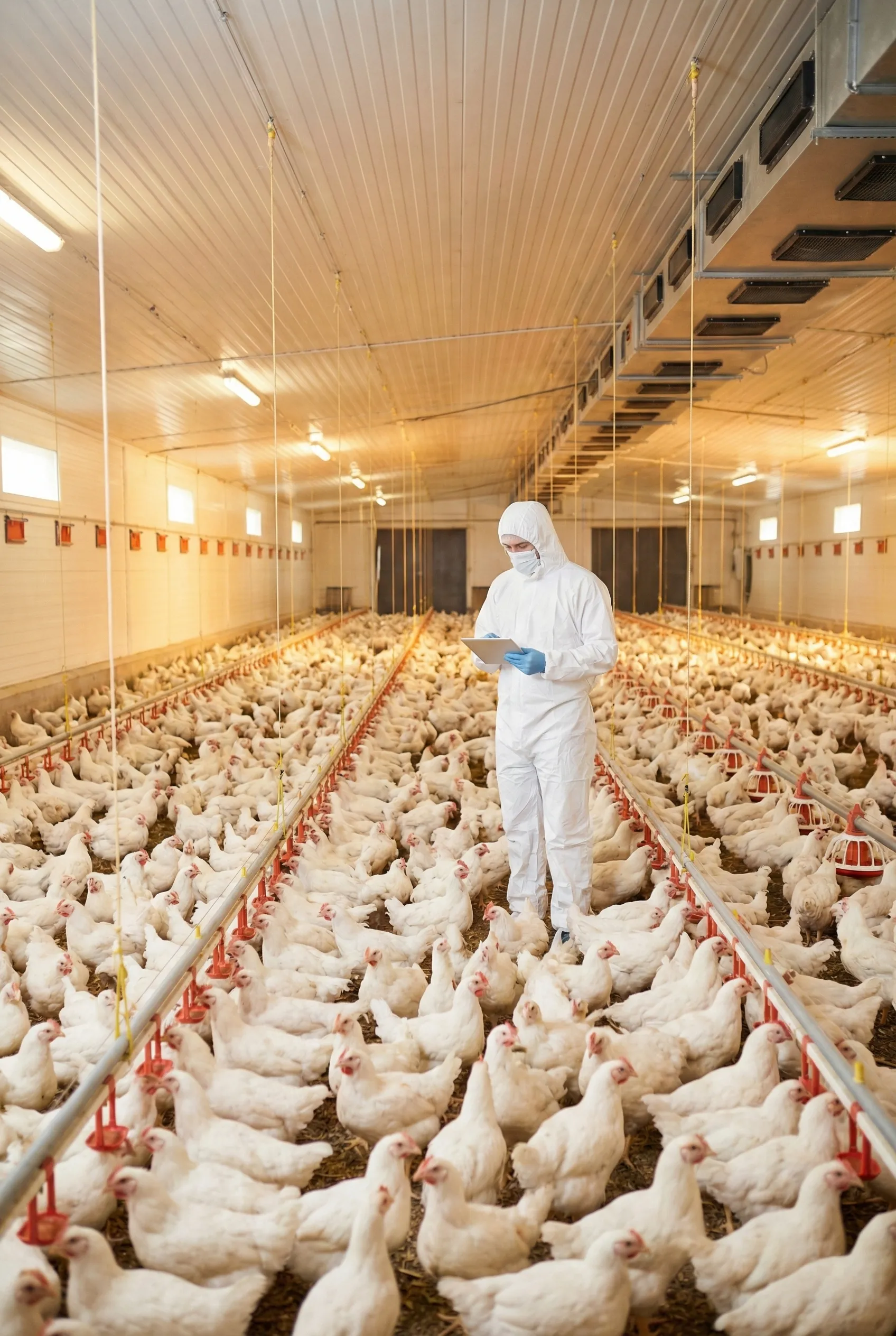
Poultry Life Insurance Poultry farming is the most industrial and fastest-cycling branch of the agricultural sector. However, this speed and intensity bring significant risks. In
Bu sayfadaki bilgiler genel bilgilendirme amaçlıdır. Kesin teminat, istisna ve uygulama detayları poliçenizde yer alan şartlara göre geçerlidir.
© 2025 Panacea Sigorta & Reasürans Brokerliği A.Ş. – Tüm hakları saklıdır.

Panacea Sigorta ve Reasürans Brokerliği A.Ş. has been in the sector for about 16 years and with its staff, each of whom is specialised in their fields, has obtained its licence in 2024 and has set out with the determination to provide excellent and high quality service to its valued customers.